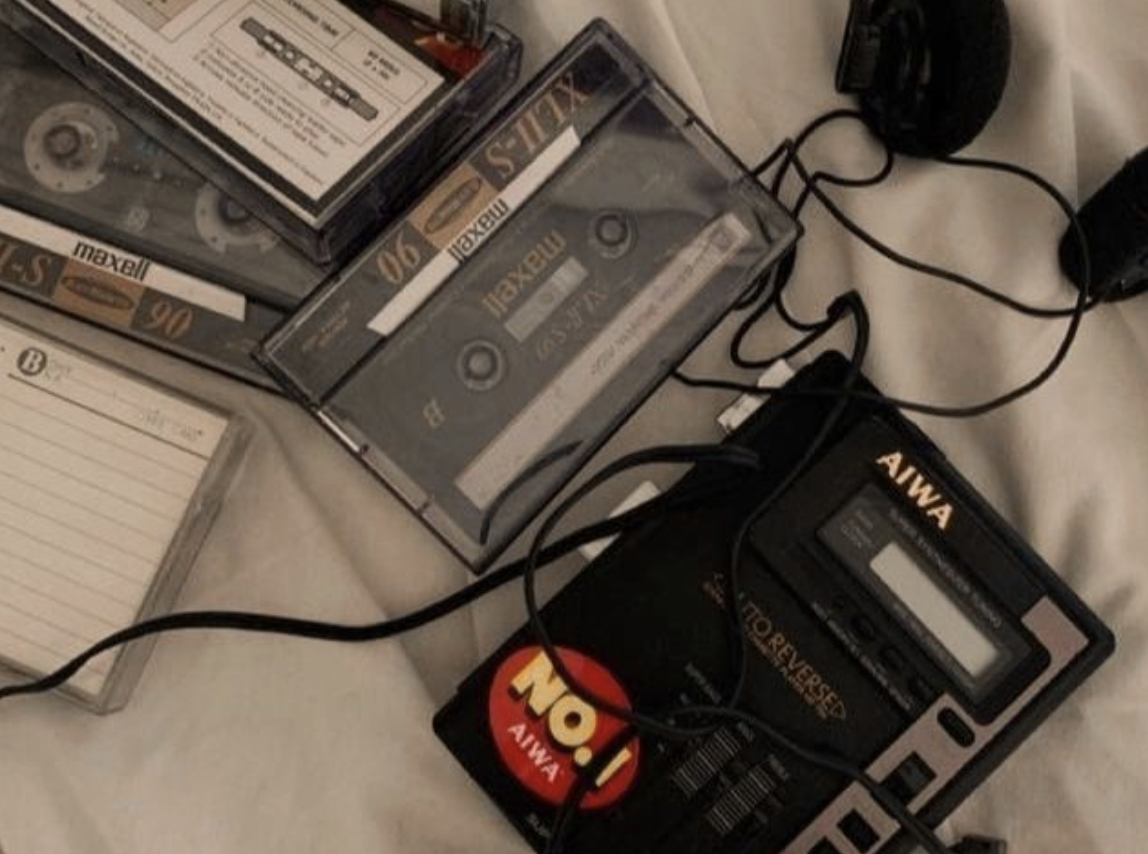
Have you ever heard a song and, in an instant, been transported to a moment from your past? Maybe it’s a summer afternoon with friends, a quiet evening alone, or a life changing event, and suddenly the feelings, sights, and sounds from that day rush back as if no time has passed. This is more than nostalgia, it’s your brain working in remarkable ways, connecting music, memory, and emotion so tightly that a single melody can unlock a whole world of past experiences.
Music has a unique power because it engages multiple parts of the brain at once. The auditory cortex processes the sounds, the motor cortex responds to rhythms, even unconsciously, and the limbic system, the seat of emotion, lights up. Meanwhile, the hippocampus, which stores memories, is busy linking the experience of the song to the emotions and context of the moment. That’s why a song doesn’t just remind you of a melody; it brings back the feelings, images, and little details of that memory, creating an almost cinematic flashback in your mind.
How Music Hooks Our Memories
Music acts as a bridge between the present and the past. Because songs are structured, repetitive, and emotionally charged, the brain can store them alongside the feelings and events happening at the same time. Over time, this association strengthens. A song heard during a road trip, or even a quiet personal victory becomes intertwined with the emotions of that moment. Later, hearing the same song, even years afterward, can recreate that emotional intensity almost instantaneously.
This is why certain songs feel so “alive” when they play. They aren’t just reminders of events; they are reminders of the emotions we felt, the people we were with, and the atmosphere of that moment. Even small sensory details, like the smell of the air or the weather outside, may resurface with the memory, making it vivid and deeply personal. Our brains are excellent at using music as an anchor, and this is why just a few notes can feel like a time machine.
Why Some Songs Hit You Right in the Heart
The emotions attached to a memory make it stick. Psychological research shows that emotionally charged events are remembered more vividly than neutral ones. That’s why music tied to strong feelings, whether joy, excitement, sadness, or longing, often comes back so powerfully. When a song is first experienced during a particularly meaningful or emotional time, it becomes an “emotional anchor.”
Later, when the song plays again, your brain not only recalls the memory but also relives the emotional experience. You might feel the rush of happiness from that long-ago summer day or the pang of a bittersweet goodbye. In a way, songs act like time machines for the heart. They don’t just replay the past, they let you feel it again, and that feeling can be almost immediate.
How Context and Repetition Make Memories Stronger
The context in which you first hear a song plays a huge role in how it’s remembered. A song associated with a specific event, place, or person gets embedded in your memory more firmly. Repetition strengthens this bond. Songs we’ve heard repeatedly during meaningful periods of our lives are more likely to trigger vivid flashbacks than ones we’ve only heard once.
Even seemingly small details, like the temperature in the room, the light outside, or the rhythm of your heartbeat, can become part of the memory. Our brains naturally weave these sensory and emotional cues together, so when the song plays again, it’s like opening a mental scrapbook. The song doesn’t just remind us of a memory, it can recreate the environment and emotional atmosphere of that moment in our mind almost completely.
Why It Feels Like You’re Back in the Moment
When a song connected to a strong memory plays, the brain retrieves the experience almost immediately. This happens because of cue-dependent memory: the auditory stimulus acts as a cue, opening the neural pathways associated with that memory. Suddenly, you’re back, you can see the place, feel the mood, and even remember the small, overlooked details that made that experience unique.
This instant recall is why music can feel so magical. It doesn’t just remind you of the past; it lets you step into it, momentarily living it again. That emotional and sensory overlap is why some songs can trigger tears, smiles, or a flood of nostalgia within seconds.
Music Is a Time Machine for the Mind
The connection between music and memory reminds us of something deeply human: our brains are wired to intertwine sound, emotion, and personal history. Songs don’t just exist in the present; they carry echoes of past selves, holding fragments of people, places, and feelings we may have thought were long gone. That sudden rush of memory when a song plays highlights that music is not just entertainment, it’s a way of reliving life, preserving moments, and reconnecting with who we were.
Every time a song takes you back, it’s a reminder of how deeply we experience life, how memory and emotion intertwine, and how even a few notes can hold the weight of years. Music isn’t just sound, it’s a doorway into the past, and sometimes, it’s the key to remembering ourselves.