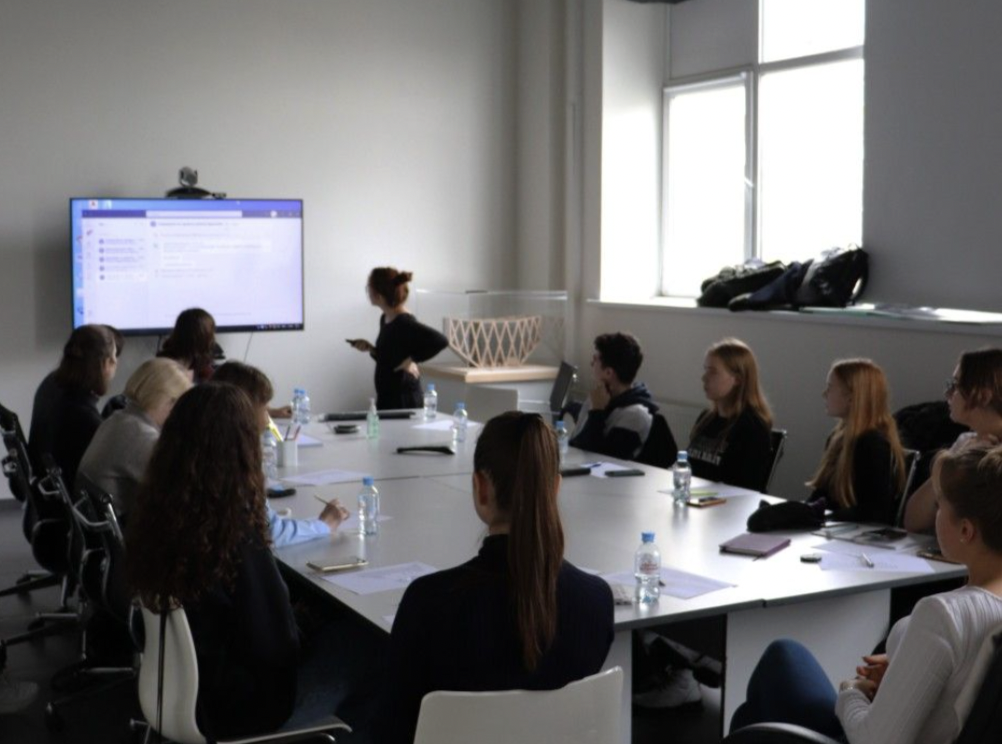
Have you ever noticed a colleague who seems confident, talkative, and charming at work but completely different outside the office? Or someone who’s quiet, reserved, or even withdrawn in meetings, yet lively and carefree with friends? Many people experience this shift in personality, and it’s more common—and psychologically complex, than you might think.
Work as a Social Performance
One key reason people act differently at work is that the workplace is a structured social environment with expectations, rules, and hierarchies. Psychologists often describe this as a social performance: we adjust our behavior to fit the situation, consciously or unconsciously. The goal is simple—adapt to norms, gain approval, avoid conflict, and succeed professionally.
For example, someone who is introverted by nature may adopt a more extroverted style in meetings because it’s socially rewarded. Others might become more reserved if the workplace culture emphasizes formal communication or hierarchy. In essence, people are wearing a professional “mask” to navigate their environment effectively.
Personality Isn’t Always Fixed
It’s important to remember that personality isn’t a rigid blueprint. Research in psychology, especially from the field of situational personality theory, suggests that traits like extraversion, openness, or conscientiousness can vary depending on context. A person may feel comfortable expressing creativity at home but adopt caution at work due to fear of judgment or risk.
Stress, deadlines, and workplace pressures also amplify these shifts. The brain constantly weighs social cues and potential consequences, so behavior adapts to meet expectations, even if it feels unnatural. Over time, these adjustments can become habitual, reinforcing a “work persona” that’s distinct from the person’s off-duty self.
Emotional and Social Factors
Some personality shifts are also influenced by emotional regulation and social dynamics. People often suppress certain impulses or exaggerate others to maintain harmony, avoid conflict, or climb the corporate ladder. For instance, someone might downplay humor or sarcasm to avoid being misunderstood, or act more assertive to gain visibility with superiors.
Interestingly, this adaptation can be both conscious and unconscious. Some people are fully aware of their “work self,” while for others, the shift happens automatically, as a survival mechanism to navigate complex social environments.
The Benefits and Costs of a “Work Persona”
Adapting behavior at work isn’t inherently bad. In many cases, it’s a skillful strategy to succeed, build relationships, and manage impressions. However, sustained suppression of one’s authentic personality can lead to stress, burnout, or a sense of disconnect between work and personal life. Psychologists call this role strain, the tension between different aspects of identity that are expressed in different contexts.
Awareness is key. Understanding why your personality shifts at work can help you balance adaptation with authenticity, ensuring that your professional persona supports success without eroding personal well-being.
Navigating Your Work Self
If you notice that you, or others, act very differently at work, it helps to reflect on the triggers: is it fear, ambition, social norms, or pressure? Small steps, like creating safe spaces for authentic expression, setting boundaries, and connecting with colleagues in genuine ways, can reduce the stress of wearing a “mask.”
Ultimately, shifting personality at work is a normal human response to social and environmental pressures. Recognizing it as an adaptive skill, rather than a flaw, can foster both professional growth and self-understanding.