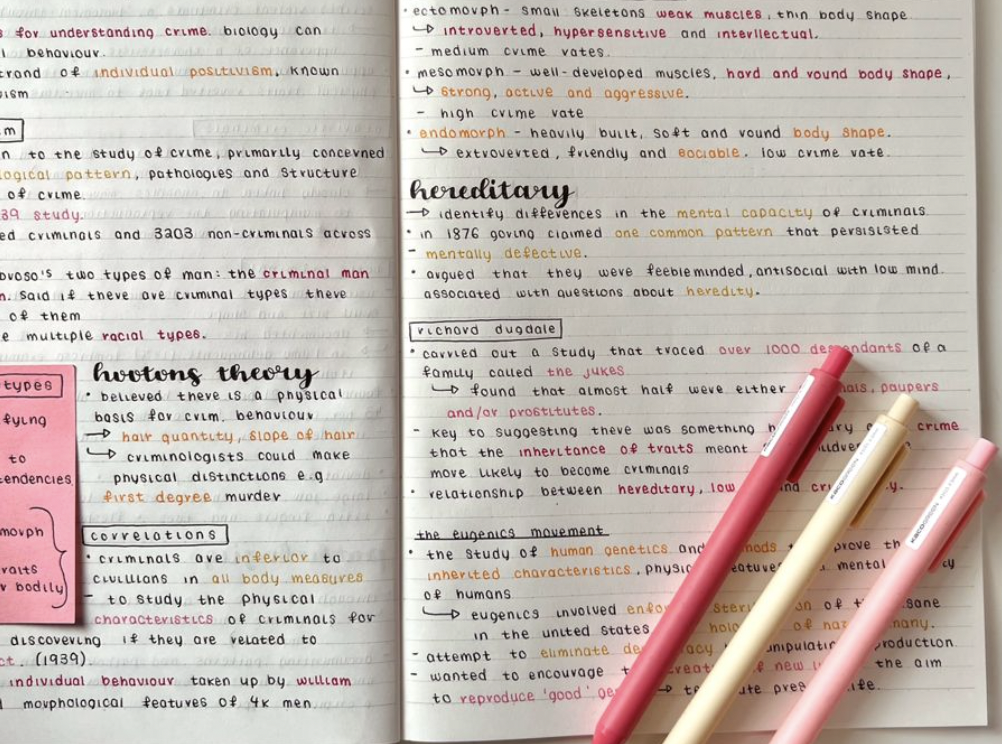
In our digital age, typing has become the default. From laptops to tablets to phones, words flow effortlessly with a tap of a key. Yet, research keeps reminding us that the humble act of writing by hand has a unique power: it helps us learn, process, and retain information far better than typing. There’s something about pen meeting paper that engages the brain in ways that no keyboard can replicate, and understanding why offers insight into how we think, remember, and truly learn.
Writing by Hand Activates Your Brain
When you write by hand, multiple areas of the brain light up. The act isn’t just about forming letters; it’s about connecting motor skills with memory and cognition. Your brain engages in sensory-motor integration, linking the physical act of writing to the semantic meaning of the words. In contrast, typing is largely repetitive and mechanical, the movement of pressing a key is the same for almost every letter, which doesn’t create the same rich network of neural connections.
Studies in neuroscience suggest that this engagement strengthens encoding, the process of storing information in your memory. When you handwrite, your brain is forced to slow down, process the information actively, and form a mental representation. That extra cognitive effort is precisely what helps you retain details, understand concepts more deeply, and recall them later.
How Handwriting Encourages Active Learning
Typing often allows us to transcribe information quickly, sometimes without truly thinking about it. Handwriting, however, naturally slows the process down. You can’t write as fast as you can type, which forces your brain to summarize, paraphrase, and process the material as you go. This “generative” processing, where you are actively transforming information rather than just copying it—has been shown to improve understanding and memory.
For students and professionals alike, this is why handwritten notes are often more effective for studying or problem-solving. When you write something down by hand, you’re engaging with it at multiple levels: visually, physically, and cognitively. Typing, on the other hand, tends to bypass that deep engagement, making it easier to forget or skim over details.
The Role of Muscle Memory and Sensory Feedback
Handwriting also benefits from sensory and motor feedback. Feeling the pen on paper, noticing the pressure, and forming the shapes of letters engages tactile and kinesthetic senses. These sensory inputs create additional memory cues, so your brain not only stores the information you’re writing but also remembers the physical act of writing it.
Interestingly, studies have shown that even messy handwriting can enhance retention. The brain doesn’t care about perfect letters, it cares about the effort and attention that go into forming them. That effort itself strengthens the neural pathways associated with learning, making recall easier later.
Handwriting Boosts Creativity and Focus
Beyond memory, handwriting encourages focus and creativity. The slower pace allows your thoughts to flow more freely, often connecting ideas in ways that typing doesn’t. Many writers, scientists, and thinkers swear by notebooks for brainstorming because the act of handwriting stimulates reflection and deeper thought. By taking the time to physically write, you’re giving your brain the space to process, synthesize, and internalize information in a way typing rarely allows.
Making Handwriting Work for You
The takeaway is simple: if you want to retain information better, engage with it actively, and stimulate your brain, handwriting is a tool worth revisiting. Whether it’s jotting notes in a lecture, keeping a journal, or summarizing key ideas, the act of writing by hand transforms passive reading into active learning. In a world dominated by keyboards and screens, handwriting reconnects us with the rhythm of thought, the subtlety of our memories, and the physicality of learning.
Next time you want to truly remember something, put down the keyboard and pick up a pen. Your brain—and your memory, will thank you.